

Affordable Gym Equipment for Schools: 2026 Guide
Sep 29th 2026
Table of Contents
- How to Stretch Your Budget on Affordable Gym Equipment for Schools
- Gym Equipment Financing for Educational Institutions: What Works
- PE Equipment Packages for Schools: Buying in Bulk Without Overbuying
- Maintenance Tips for School Fitness Gear That Lasts Decades
- Inclusive and Adaptive PE Equipment: Sourcing Without Sacrificing Quality
- Safety Standards and Compliance for Affordable Gym Equipment
- Conclusion: Smart Procurement for K-12 Fitness
- Frequently Asked Questions
Last Updated: September 28, 2026
How to Stretch Your Budget on Affordable Gym Equipment for Schools
Finding affordable gym equipment for schools starts with understanding what actually drives cost. It's rarely the equipment itself. Freight, installation, and rushed timelines eat more budget than most athletic directors expect.
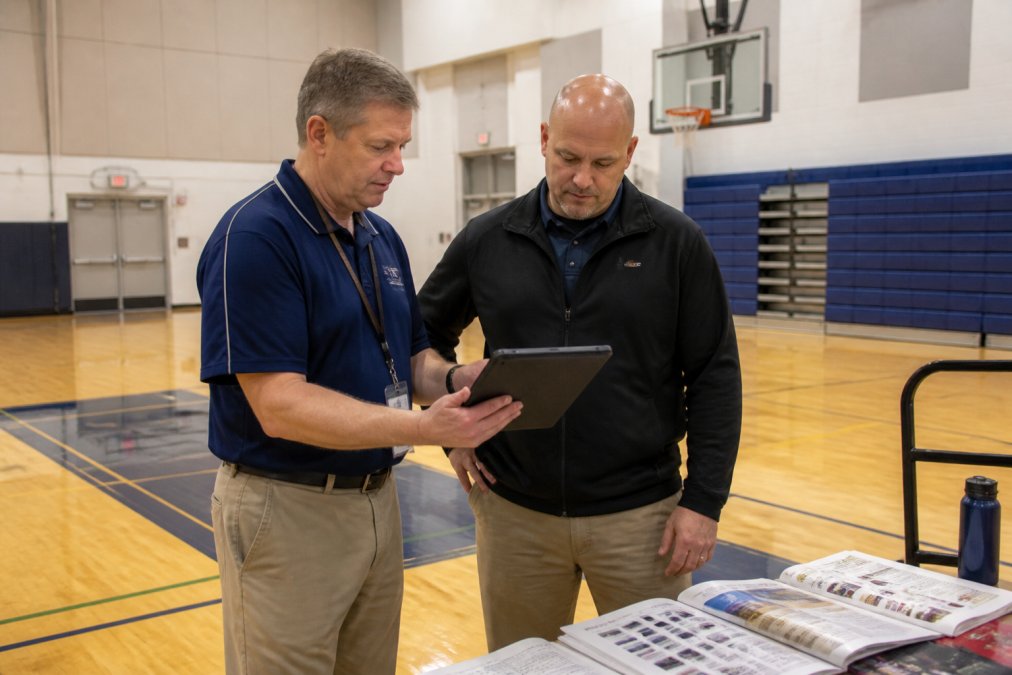
This guide from AchillionSports breaks down financing, bulk buying, maintenance, and safety so your money goes further.
The Real Cost Drivers in School Fitness Purchasing
The purchase price is only part of the story. Institutional-grade equipment carries costs that consumer gear hides: freight to your loading dock, assembly, anchoring, and replacement parts.
Three cost drivers matter most:
- Freight and delivery access. Loading docks and gym doors limit what fits.
- Installation and anchoring. Floor-mounted systems need certified installers.
- Replacement cycles. High-traffic durability determines how often you rebuy.
Gym Equipment Financing for Educational Institutions: What Works
Gym equipment financing for educational institutions works best when it matches the lifespan of what you're buying. Financing a 15-year bleacher system over 15 years beats a short-term loan that strains next year's budget.
Most schools use one of a few approaches:
- Equipment leases with fixed monthly payments
- Installment financing through the vendor
- Capital budget allocation spread across fiscal years
- Grant funding for specific programs
Grant Writing and Funding Resources for School Fitness
Grants can cover equipment that general funds won't touch. The catch is that most grants fund programs, not hardware, so you frame the request around student outcomes.
PE Equipment Packages for Schools: Buying in Bulk Without Overbuying
PE equipment packages for schools save money through bulk procurement, but only if you buy to actual usage. Overbuying locks up budget in gear that sits in a storage closet and expires on the shelf.
Sizing by Grade Band and Class Load
| Package Type | Typical Grade Band | Sizing Rule of Thumb | Watch Out For |
|---|---|---|---|
| Starter PE kit | Elementary, 1-2 classes | 1 item per 2-4 students for shared gear | Too few items for large groups; small pieces vanish without bins |
| Strength and conditioning set | Middle and high school | 1 rack or bench per 4-6 lifters | Needs floor space, anchoring, and spotter clearance |
| Cardio circuit package | Multi-station training | 1 machine per 8-12 students rotating | Higher maintenance on moving parts; power and ventilation needs |
| Agility and coordination kit | All ages, shared spaces | 1 cone/ladder per 2-3 students | Small pieces get lost without labeled storage |
How Bulk Pricing Actually Works
Most vendors price by quantity tier, and the discount thresholds are rarely published. Ask where the next tier sits, then adjust your order to hit it without buying filler you'll never use. A few mechanics worth knowing:
- Tier breaks. Discounts often jump at 6, 12, 24, and 48 units. Buying 23 of something when 24 unlocks a lower unit price is a common miss.
- Mixed-SKU tiers. Some suppliers let you combine similar items (say, three sizes of medicine ball) to reach a tier. Ask before you split the order across vendors.
- Freight thresholds. Free or reduced freight often kicks in at a dollar or pallet count. Consolidating one large order usually beats three small ones.
- Cooperative purchasing. Public schools can often buy through state or regional cooperative contracts that pre-negotiate pricing and satisfy bid requirements. Check whether your district allows piggybacking on an existing award before running your own solicitation.
Bid Timing and Lead Times
Institutional equipment is not off-the-shelf retail. Lead times on anchored strength gear and custom padding often run several weeks to a few months, and orders placed in late summer collide with every other district doing the same thing. A common pattern is to lock specifications in winter, solicit bids in early spring, and take delivery before the fiscal year closes so the spend lands in the right budget cycle.
Maintenance Tips for School Fitness Gear That Lasts Decades
Most school equipment doesn't die from use, it dies from neglect between uses. Institutional-grade gear is built to survive decades, but only if small failures get caught before they cascade. This is the part of the buying decision almost no supplier talks about, and it's where the real cost savings live.
Why School Gear Fails
Three failure modes account for most premature replacements:
- Fastener loosening. Vibration from repeated use backs out bolts on racks, benches, and machines. A loose bolt becomes a cracked weld becomes a scrapped frame.
- Cable and belt wear. Cables fray from the inside out, so the damage is invisible until it isn't. Belts glaze and slip long before they snap.
- Upholstery and padding breakdown. Sweat, cleaning chemicals, and UV light degrade vinyl and foam. Once padding cracks, moisture reaches the frame and rust starts.
A Realistic Inspection Schedule
Annual inspections are not enough. Build a tiered schedule that matches the failure mode:
- Weekly: Walk the floor. Look for frayed cables, missing bolts, cracked padding, and wobbling frames. Any wobble is a stop-use item.
- Monthly: Torque check on high-use racks, benches, and machine frames. Inspect cable ends and pulleys for fraying or flat spots.
- Quarterly: Lubricate moving parts per the manufacturer's spec. Check belt tension and alignment on cardio equipment.
- Semester: Inspect floor anchors, wall mounts, and padding. Verify that safety labels and weight-limit decals are legible.
- Annually: Full teardown inspection of high-traffic machines. Replace wear items on a schedule, not on failure.
Parts Strategy: The Real Longevity Lever
The single biggest factor in whether gear lasts 10+ years is whether replacement parts are still available in year 8. Before you buy, ask three questions:
- What is the warranty length, and what does it actually cover? Frame warranties are often longer than wear-item coverage, which is where failures happen.
- Are wear items (cables, belts, pads, grips) stocked as standard parts, or made to order? Made-to-order parts mean weeks of downtime.
- Can you buy a parts kit with the original order? Bundling spare cables, bolts, and pads at purchase is usually cheaper than ordering them later and avoids the downtime entirely.
Staff Training and Reporting Culture
The maintenance schedule only works if staff report problems the day they notice them. A loose bolt found in October prevents a broken frame in March. Train PE staff and custodial teams on a simple rule: anything that wobbles, frays, or cracks gets tagged and pulled from service immediately, no exceptions.
Inclusive and Adaptive PE Equipment: Sourcing Without Sacrificing Quality
Adaptive equipment lets more students participate, and it doesn't have to cost more. Many standard items, like adjustable hoops and lightweight resistance bands, work across ability levels.
Safety Standards and Compliance for Affordable Gym Equipment
Safety compliance is not optional, and it's not expensive if you plan for it. Equipment must meet recognized safety standards, and your facility must meet local codes.
Check three things before any purchase:
- Safety certification from the manufacturer
- Anchoring and installation requirements for your floor type
- Local building and fire codes for your space
Conclusion: Smart Procurement for K-12 Fitness
Outfitting a school gym on a tight budget takes planning, not luck. Match financing to equipment lifespan, buy to your actual usage, and keep up with maintenance from day one.
Frequently Asked Questions
What is the cheapest way to buy gym equipment for schools?
The cheapest route is usually bulk procurement through a single vendor that offers free shipping and flexible financing. Bundling items like volleyball systems, basketball hoops, and agility training kits into one purchase order reduces per-unit freight and administrative costs. Schools can also explore surplus property programs and grant funding from state education agencies. Always request a formal quote rather than relying on list prices, because institutional pricing varies by quantity, delivery location, and contract terms.
How can schools secure funding for new athletic equipment?
Start with your district's capital improvement budget, then layer in outside sources. Federal grants like the Every Student Succeeds Act (ESSA) Title IV, Part A can fund health and physical education programs. State-level physical education grants and local booster club fundraising fill gaps. Some vendors, including AchillionSports, offer financing options such as Approve, Paytomorrow, and Full Circle, which spread costs across budget cycles. Document your safety compliance needs and student impact data to strengthen every application.
What are the most durable budget-friendly gym equipment options for PE?
Look for institutional-grade or commercial-grade construction with welded steel frames, powder-coated finishes, and impact-resistant materials. Non-marking rubber flooring and modular design systems hold up better in high-traffic K-12 settings than consumer-grade alternatives. Plyometric boxes, resistance training stations, and agility ladders made from heavy-duty PVC or steel outlast lightweight plastic versions. Ask vendors for warranty details and references from other schools before committing.
How do you maintain school gym equipment to extend its lifespan?
Schedule monthly inspections of all weight-bearing connections, bolts, and welds. Wipe down upholstery and pads with a mild detergent to prevent sweat damage. Lubricate moving parts on cardiovascular machines per the manufacturer's manual. Store agility and coordination drills equipment in a dry area away from extreme temperatures. Keep a maintenance log for each piece so you can spot recurring issues. Well-maintained institutional gear can last 15 to 20 years, which lowers your total cost of ownership significantly.